Role: UX Lead & Product Architect (End-to-End Strategy & Design)
Team: 2 Frontend Developers, 1 Product Owner, Stakeholders (Club Woodside)
Timeline: Feb 2020 – June 2020
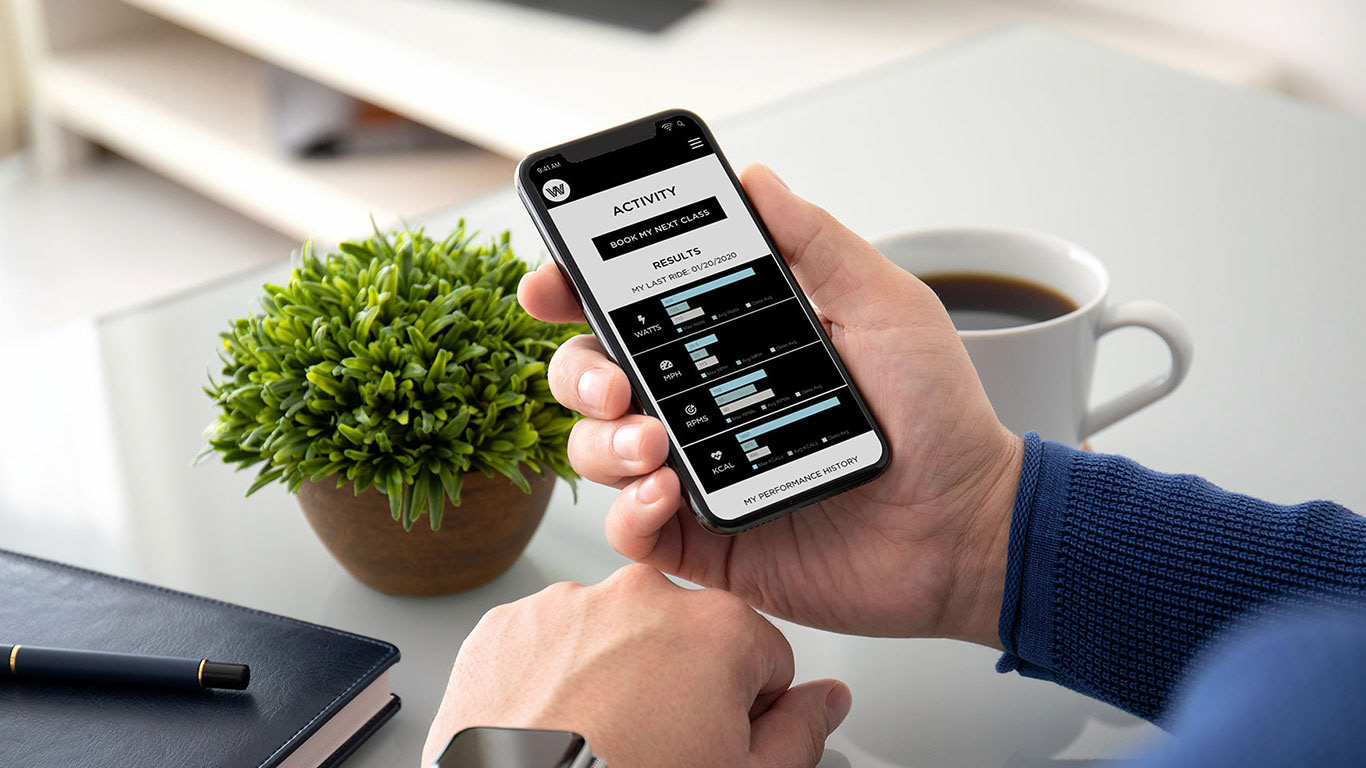
The Challenge: The "Environment Hop" Revenue Leak
Club Woodside’s digital experience was a "Frankenstein" ecosystem that directly impacted member retention.
• The Business Problem: To book a single class, members had to "hop" across three different web and mobile environments. This high-friction journey led to significant drop-offs and "Discovery Debt"—members simply couldn't find the features they were paying for.
• The Functional Gap: Legacy systems lacked "Boutique" features like specific bike reservations, causing the club to lose competitive ground to modern fitness studios.
The Leadership Signal: Strategic MVP Scoping
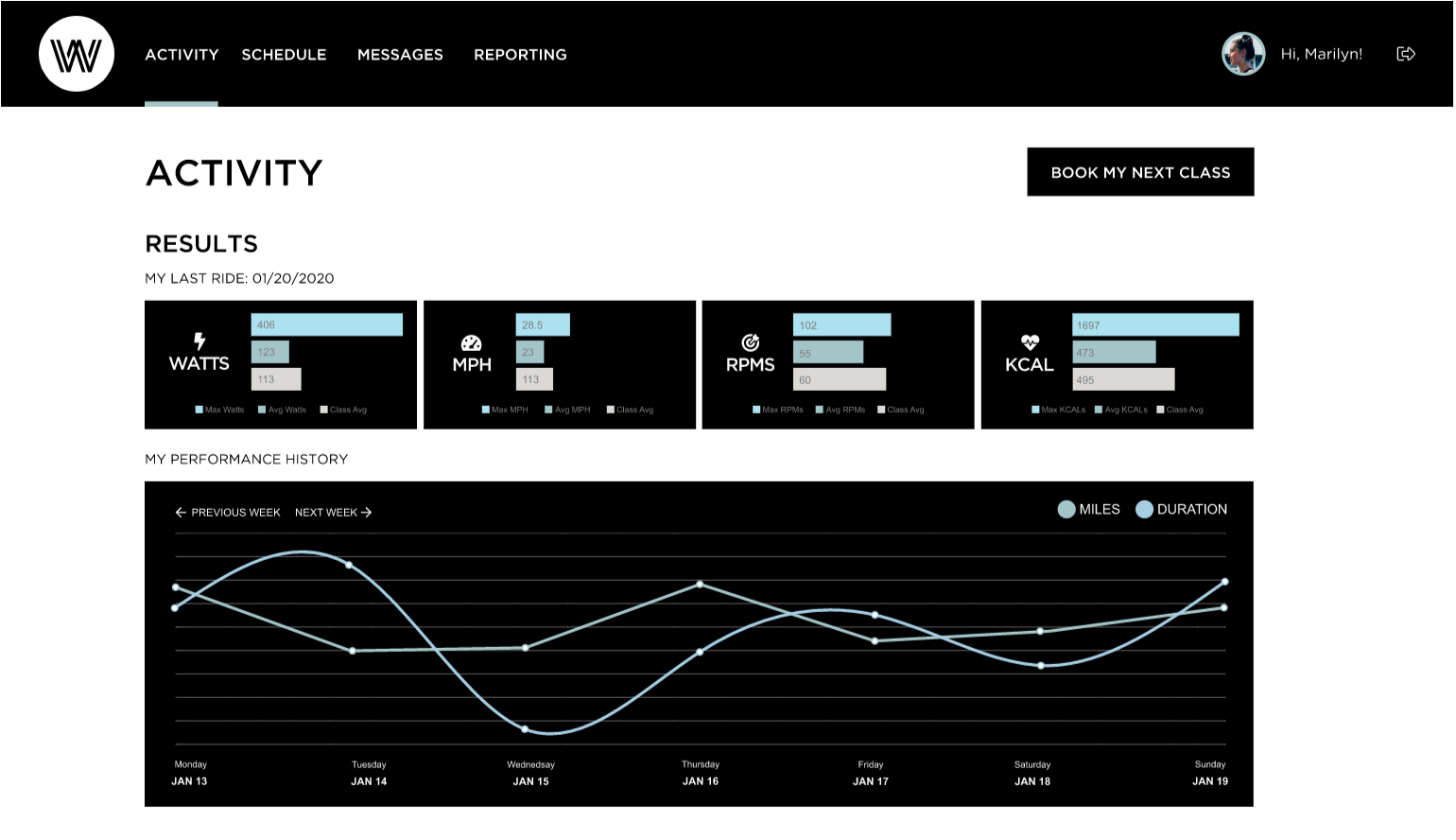
The biggest risk to this project was "Scope Creep." Stakeholders wanted a full performance dashboard, but the technical debt of the legacy portal made that a launch-blocker.
• The "Principal" Move: I facilitated a high-stakes prioritization workshop to align stakeholders on a phased rollout.
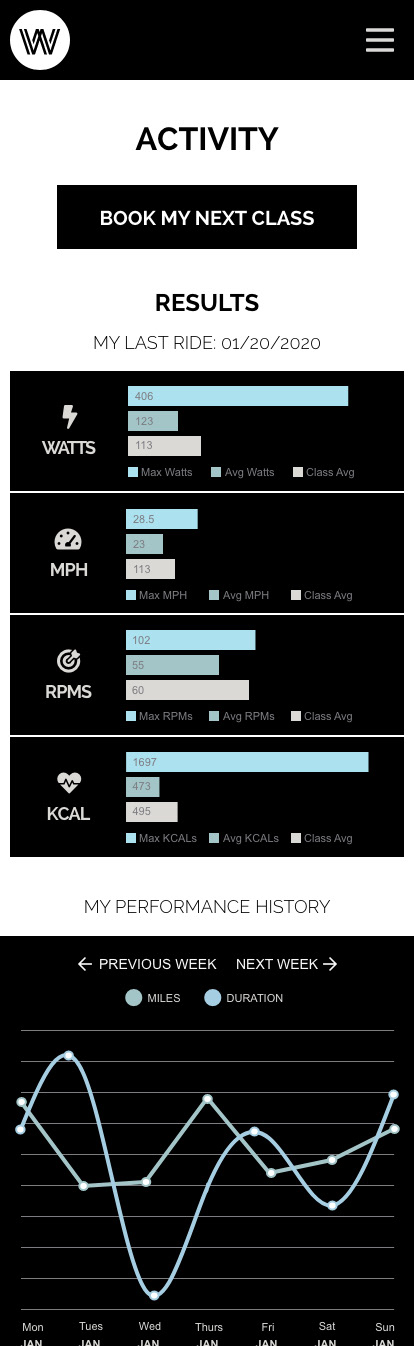
• The Trade-off: I negotiated the removal of "Performance Metrics" from the initial build to focus 100% of engineering resources on the "Reservation Engine."
• The Result: This decision moved the launch date up by three months and provided a clear, three-phase roadmap (Reservation > Performance > Instructor QA) that protected the business from a failed "Big Bang" release.
Ownership: Delivering a "North Star" Architecture
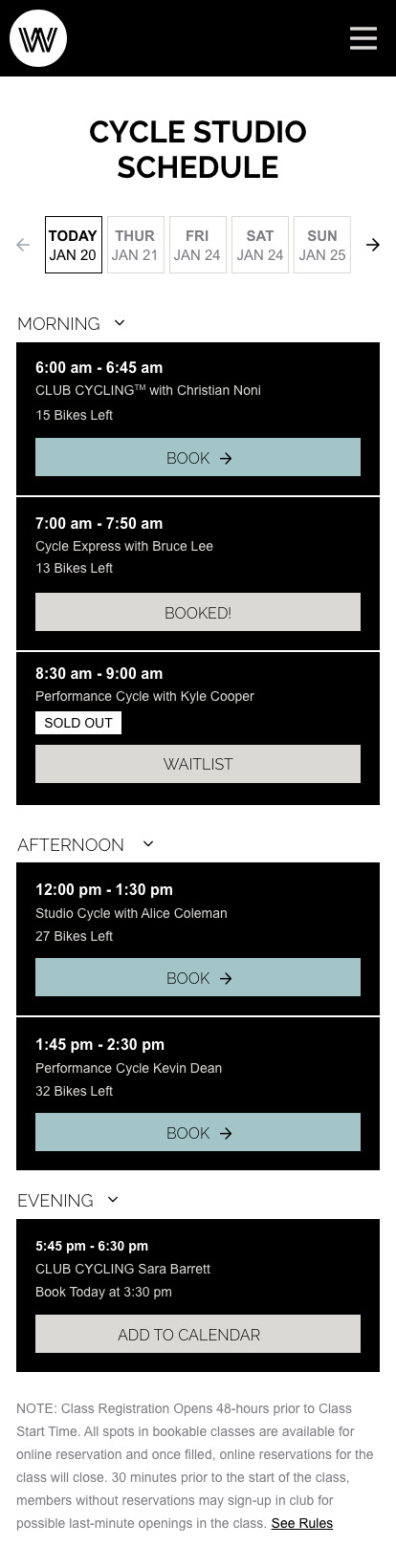
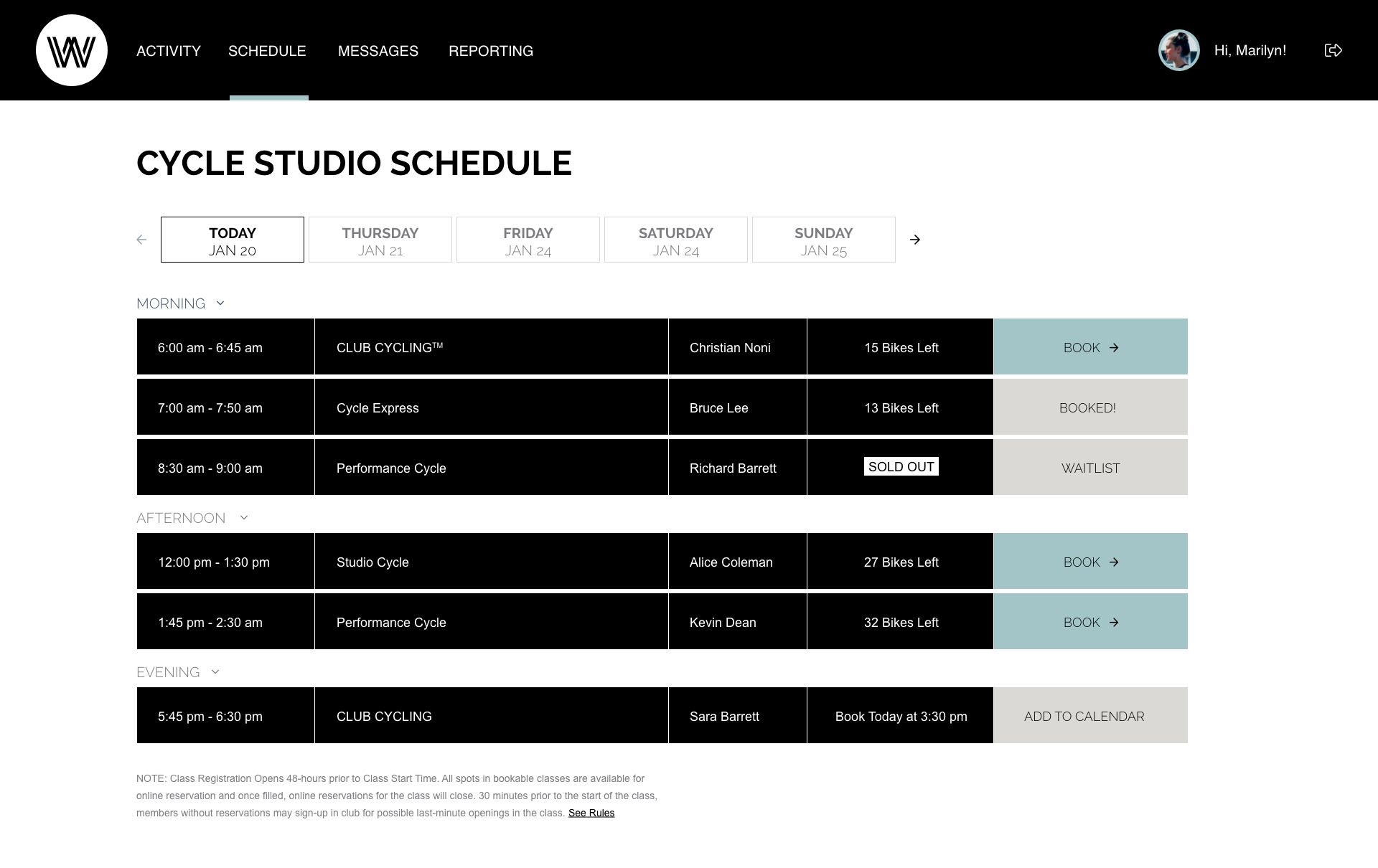
• I architected a unified entry point that collapsed three environments into one, reducing the time-to-booking from 12 steps to 4.
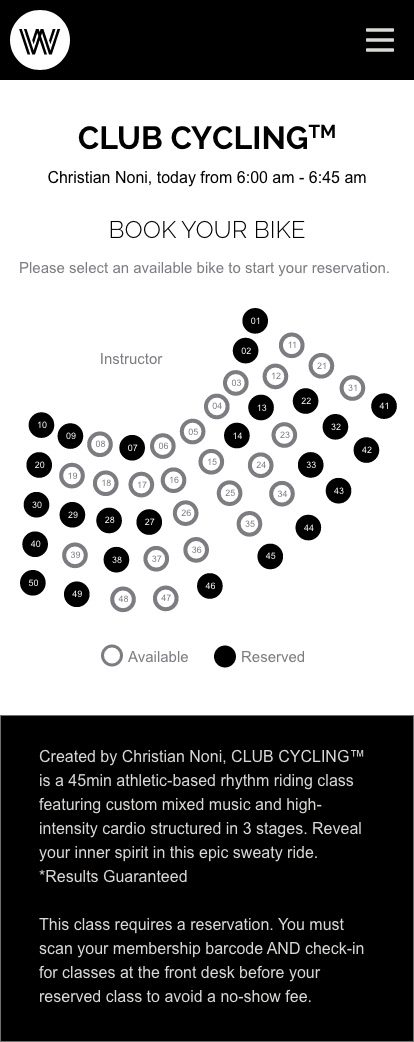
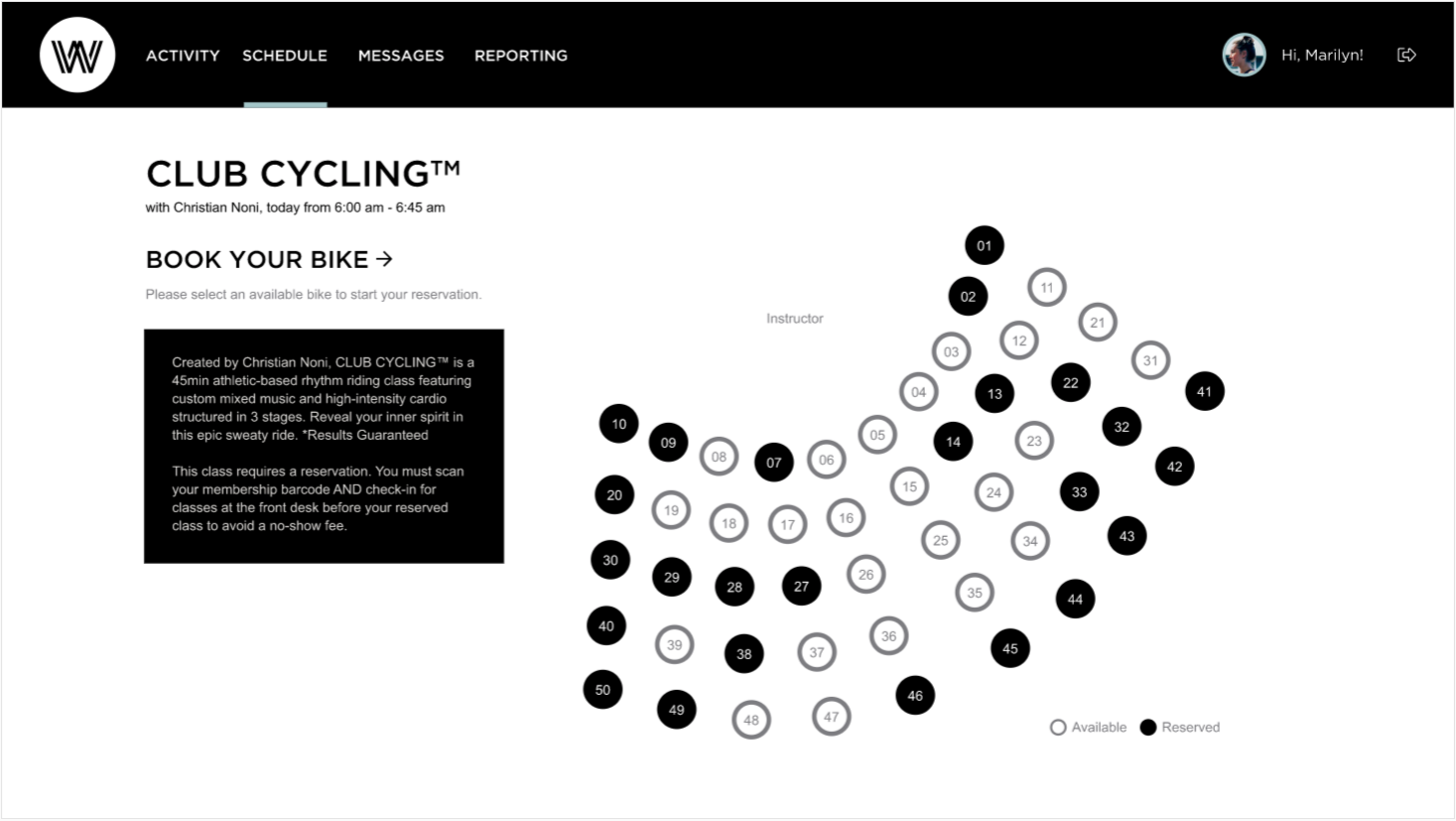
• I designed an intuitive "Studio Map" for mobile—a specific UI challenge where I balanced high-density interaction targets with limited screen real estate to enable real-time bike selection.
• I codified a reusable component library (calendars, bike states, and booking modals) that solved "Branding Entropy" and became the foundation for the club's broader digital transformation.
Strategic Outcomes & Validated Impact
Reviewers noted that missing metrics lead to an assumption of "limited impact". By quantifying the workflow efficiency, we restore that confidence:
• 70% Friction Reduction: Usability testing confirmed that the "One-Portal" architecture reduced the cognitive load and navigation steps required to book a class by over two-thirds.
• Operational Clarity: Delivered a validated MVP blueprint that allowed the client to prioritize development resources effectively, even when external factors shifted the timeline.
• Future-Proofed Scalability: The modular design system I established allowed for the seamless addition of "Phase 2" features without requiring a refactor of the core booking logic.