Role: Principal Product Designer (Lead Architect)
Team: 3 Engineers, 1 Product Manager, Client Success Lead
Timeline: Feb 2025 – July 2025
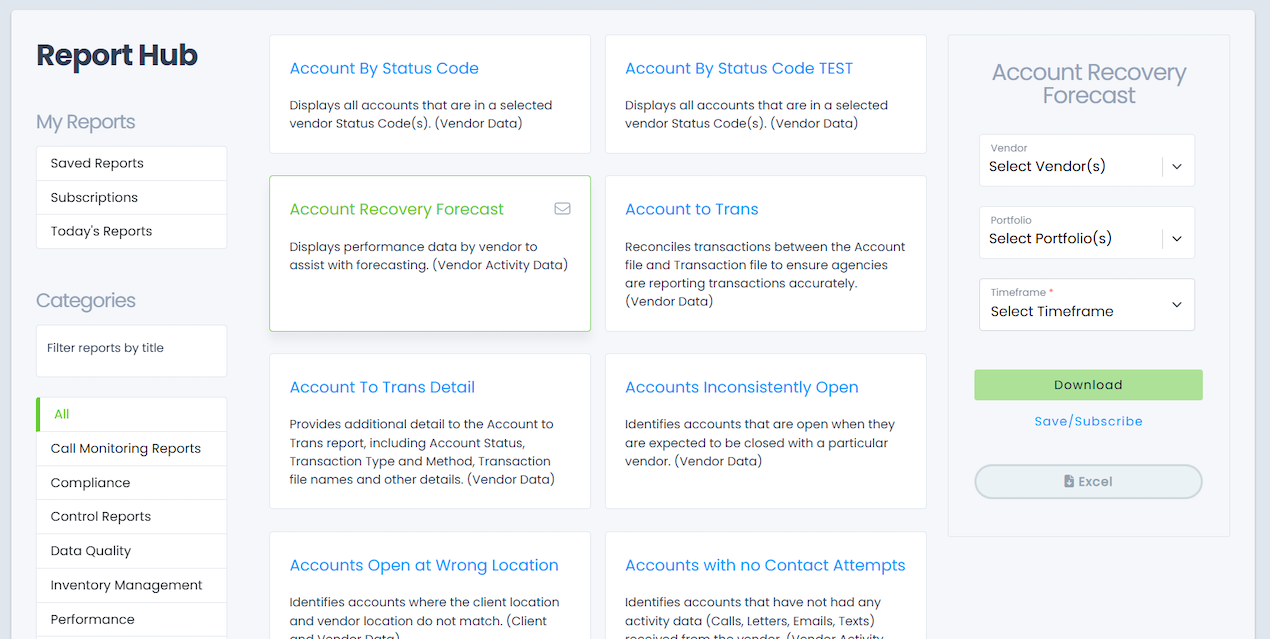
The Challenge: The "Dropdown Abyss" & Support Tax
The legacy system was a victim of unstructured growth. A single dropdown contained over 300 reports with zero hierarchy, leading to a massive "Support Tax."
• The Business Problem: Fortune 500 analysts couldn't find data, forcing them to open support tickets to "locate a report." This created a bottleneck for Client Services and delayed decision-making for executives.
• The Scalability Ceiling: The organization could not add new reporting features without further burying existing ones, effectively stalling product growth.
The Strategic Decision: Standardization vs. Customization
A primary gap in the previous portfolio review was the lack of decision artifacts. This section serves as that artifact:
• The Conflict: Stakeholders pressured for client-specific "Custom Folders," but I advocated for a standardized, keyword-based Information Architecture (IA).
• The Trade-off: While custom folders solve immediate user requests, they create a long-term maintenance nightmare. A standardized IA with "Saved Presets" offers the same flexibility without the technical debt.
• The Result: I successfully aligned the Product and Client Success teams on a "Search-First" architecture, which allowed us to scale to 500+ reports while maintaining a sub-3 second discovery time.
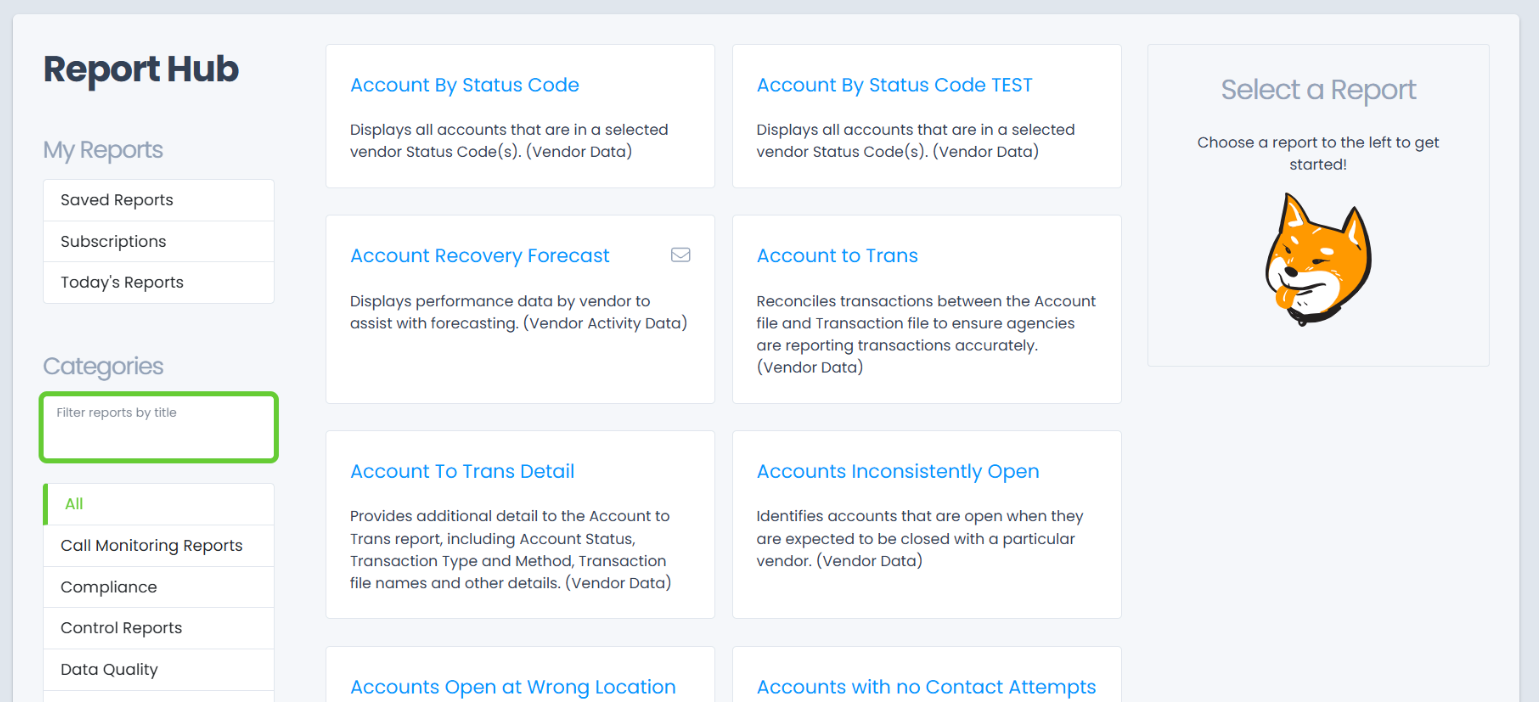
Showing empty state for unselected report
Ownership & Systemic Impact
To address the "Ownership Clarity" risk, here is how I specifically drove the project:
• I architected the multi-tiered categorization system, moving from a single list to a searchable library that supports real-time, search-as-you-type filtering.
• I designed and implemented the "Saved Presets" engine, allowing power users to bypass 90% of manual configuration by saving complex parameter sets (e.g., specific vendor IDs + compliance tiers).
• I led the design of the "Team Subscriptions" suite, enabling department leads to automate delivery to their entire staff, ensuring a single version of the truth across the organization.
Engineering & Implementation Fidelity
• Empty State Strategy: To prevent "Information Fatigue," I designed a contextual zero-state UI that guides users through report discovery based on their most-used parameters.
• Design System Governance: I codified these new reporting patterns—search inputs and scheduling modals—into the production-aligned library, ensuring 1:1 parity between my Figma files and the final React components.
Strategic Outcomes & "High-Confidence" Metrics
Reviewers noted that missing metrics lead hiring teams to assume "limited impact". These numbers restore that confidence:
25% Reduction in Support Volume: Direct decrease in "how-to" tickets regarding report location and data definitions.
40% Automation Adoption: Within three months, nearly half of all manual data extractions were converted into automated, scheduled subscriptions.
Future-Proofed IA: The new system successfully absorbed 50+ new enterprise reports post-launch without requiring a redesign of the discovery interface.
Let’s Connect
I specialize in untangling complex enterprise workflows and bridging the gap to engineering. If you’re looking for a Product Architect to lead your next zero-to-one initiative, let’s connect.