Role: Principal Product Designer (Lead Architect)
Team: 4 Engineers, 2 PMs, 1 Compliance Officer
Timeline: Jun 2025 – Dec 2025
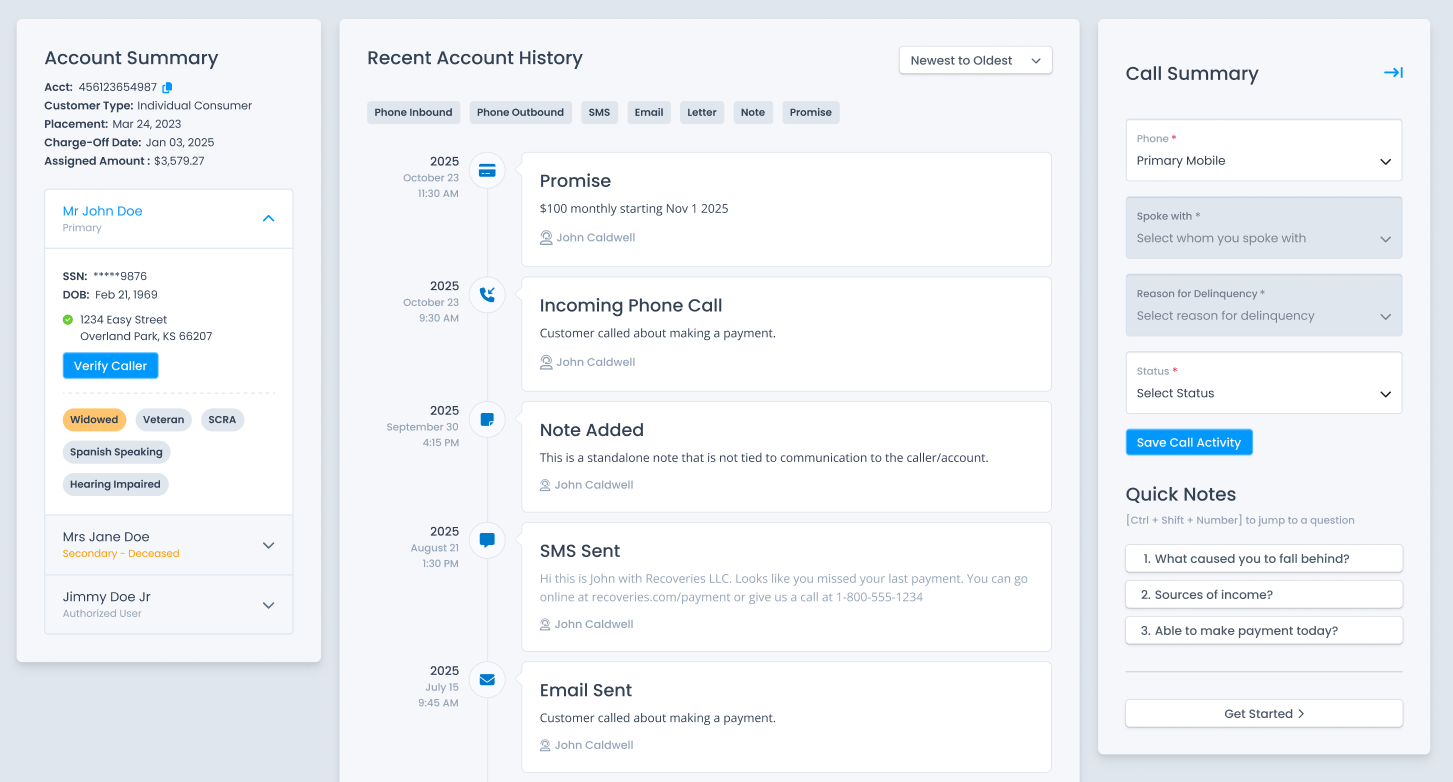
Note: All visual examples are conceptual abstractions for confidentiality.
The Challenge: The "Tab Tax" on Operational Efficiency
In high-volume call centers, time is literally money. Agents were forced to toggle between five disconnected tools—spreadsheets, legacy CRMs, and payment portals—while managing real-time conversations.
• The Business Risk: Manual settlement calculations and fragmented verification led to high error rates and significant regulatory exposure.
• The Goal: Move from "Tab-based" chaos to a single, state-driven "Source of Truth" that enforces compliance while accelerating velocity.
The Strategic Role: UX Architect & Cross-Functional Lead
As the Principal lead, I didn't just design screens; I led the cross-functional alignment between Product, Engineering, and Compliance.
• The Decision: I chose to architect the platform as a state-driven workflow rather than a standard dashboard.
• The Trade-off: While a flexible dashboard is easier to build, a state-driven flow ensures that "sensitive data tools" remain physically locked until identity is confirmed.
• The Result: I successfully persuaded the Compliance team to move away from manual "checklists" to this automated "Hard-Gate" UI, ensuring 100% adherence to verification protocols.
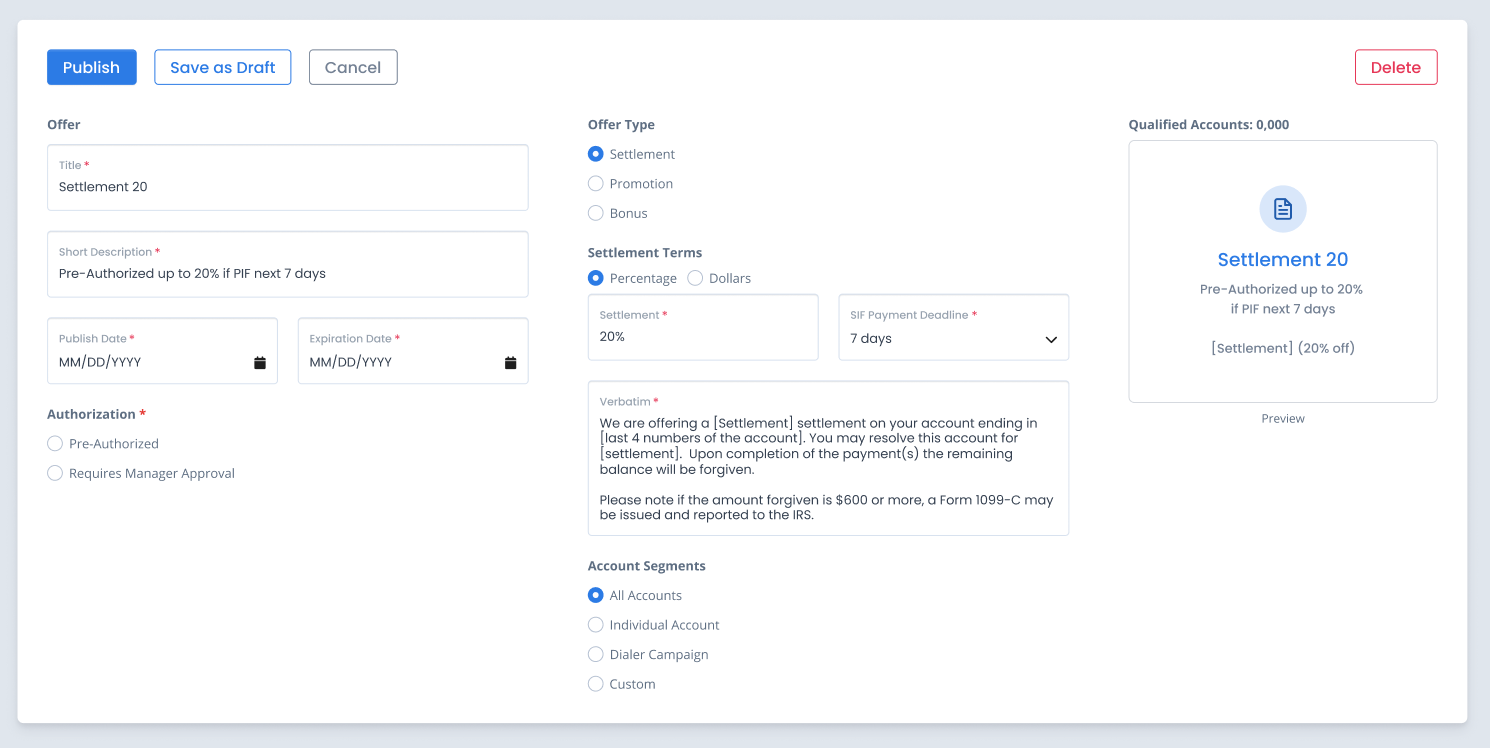
New Settlement Offers Form
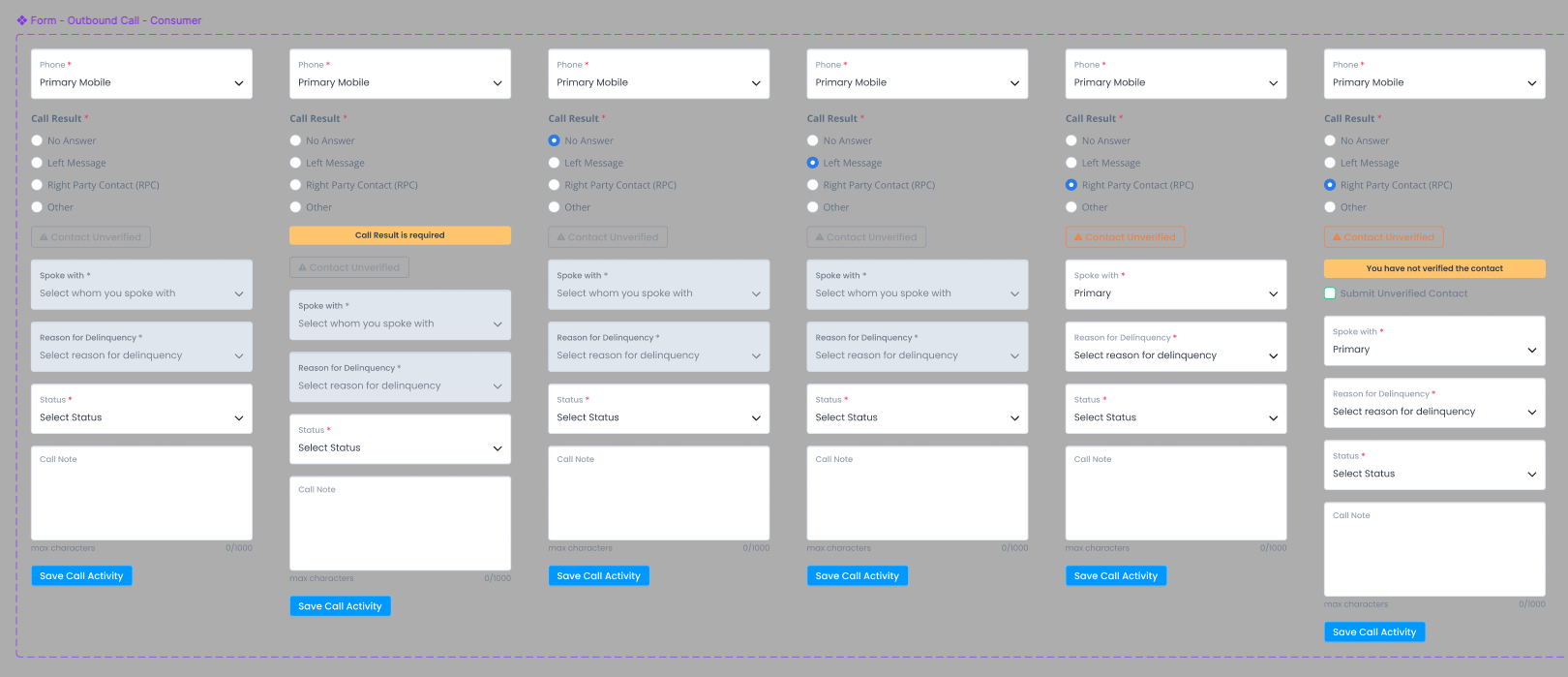
Outbound Call Summary Figma Component
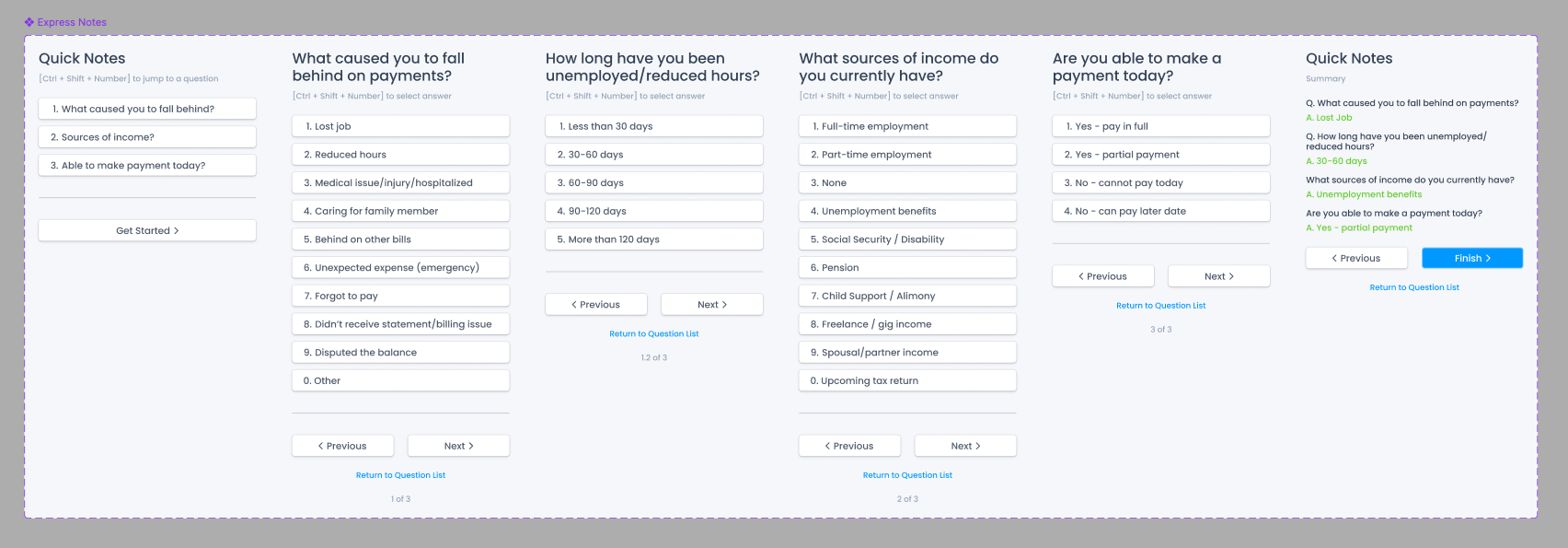
Express Notes Figma Component
Four Pillars of Systemic Efficiency
I led the UX architecture for a zero-to-one, multi-persona platform designed to streamline call handling, reduce cognitive load, and create consistent workflows across agents and managers. The solution centered around four core experience pillars:
1. The "Gatekeeper" UI: I engineered a hard-stop verification workflow. If a caller fails ID check, the payment and settlement modules remain inaccessible, removing the possibility of accidental data leaks.
2. Automated Guardrails: I collaborated with Product to embed settlement criteria directly into the UI. Agents can only offer what the business allows, reducing "Price-to-Settlement" clicks by 40%.
3. Structured Quick-Notes: To solve for "Operational Blindness," I replaced free-form text boxes with context-aware, branching questions. This turned messy agent notes into structured data points for downstream analytics.
4. Multi-Persona Governance: I designed a unified system where the Agent's "Workplace" and the Manager's "Oversight" share the same data architecture, providing real-time visibility into team settlement trends.
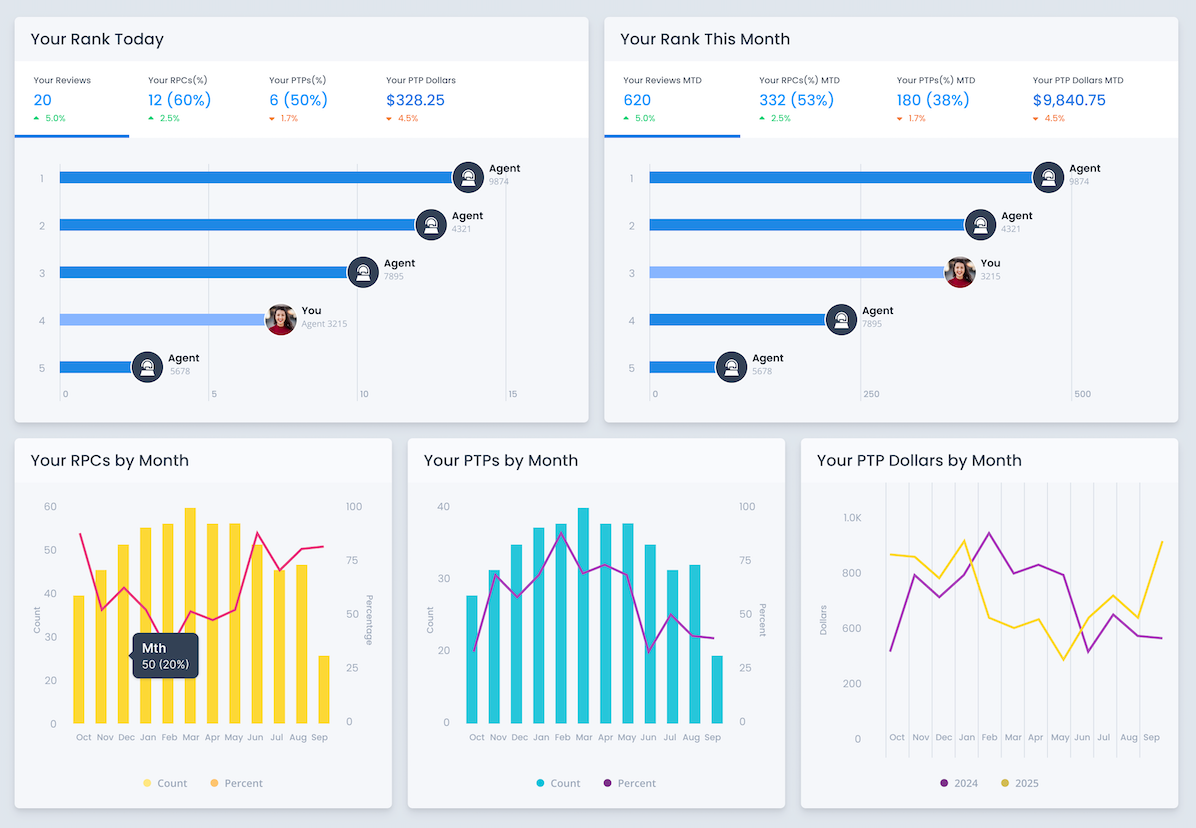
Agent Dashboard
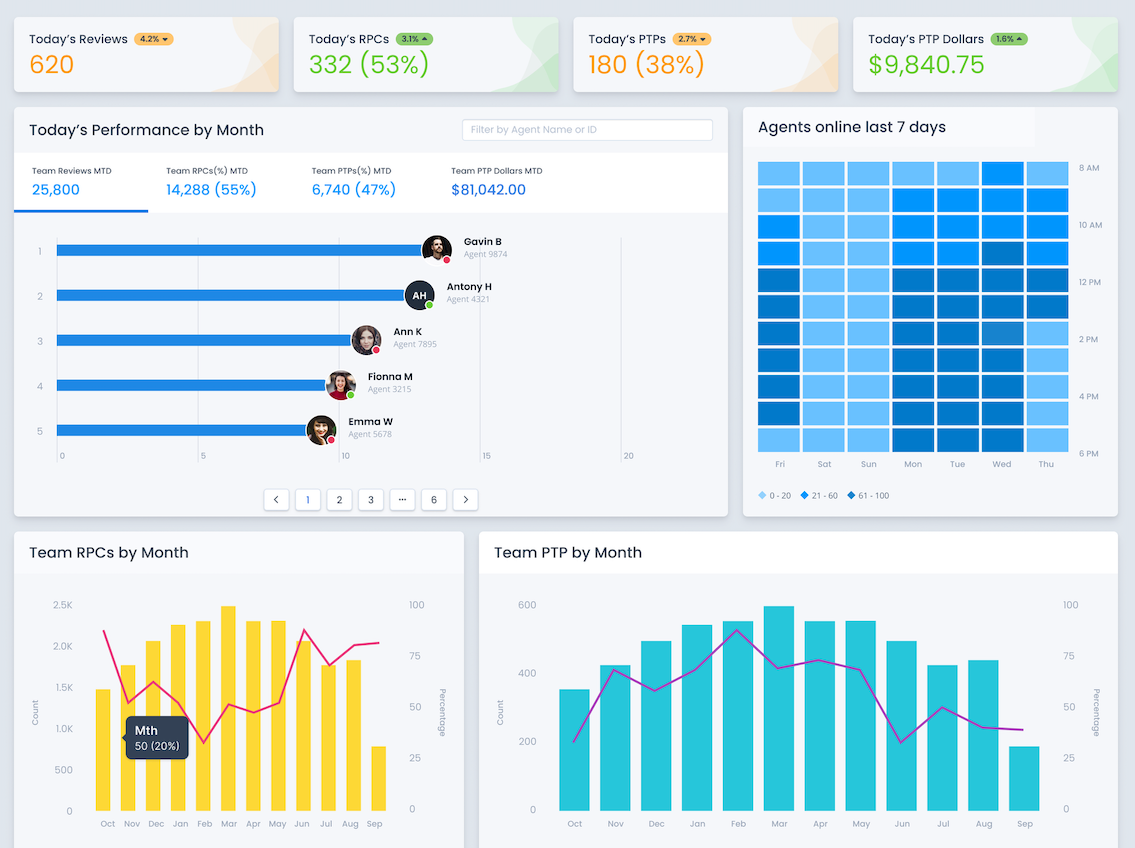
Manager Dashboard
Ownership: Closing the "Interpretation Gap"
To ensure the vision survived implementation, I worked directly within the production repository
• Atomic Component Design: I built a production-aligned Figma library that mirrored the React/SCSS structure, eliminating handoff friction.
• Code-Level Governance: I participated in PR reviews and refactored UI logic to ensure the final product was as performant as the initial prototype.
Strategic Outcomes
Compliance Sign-off: Achieved 100% approval from Regulatory/Legal teams on complex financial workflows.
Engineering Velocity: The pattern library I developed reduced frontend development time for new features by ~30%.
Cognitive Load Reduction: Initial testing confirmed a significant decrease in "Time-to-Settlement," allowing agents to handle higher call volumes without increased fatigue.
Let’s Connect
I specialize in untangling complex enterprise workflows and bridging the gap to engineering. If you’re looking for a Product Architect to lead your next zero-to-one initiative, let’s connect.